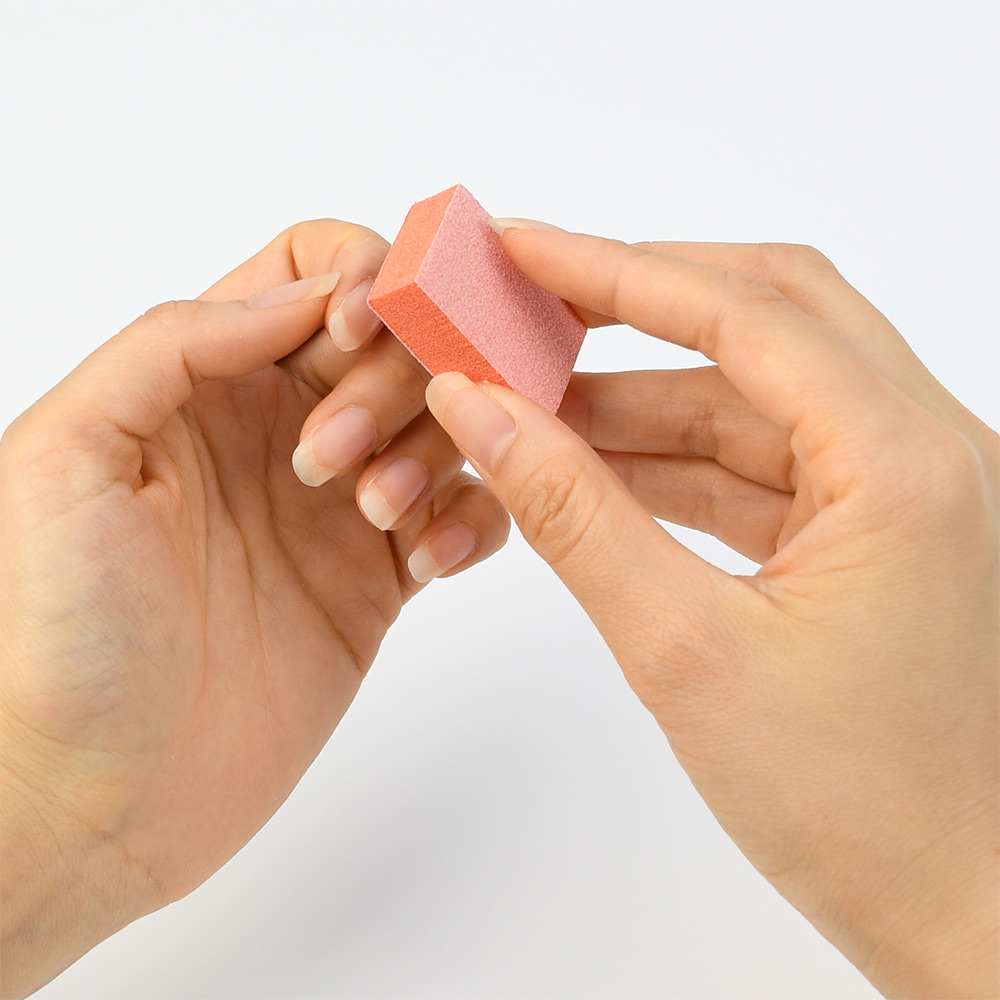
A nail buffer block, a humble yet indispensable tool in nail care, serves as the bridge between basic grooming and professional-level polish. Composed of multiple abrasive surfaces, this compact rectangular device refines, smooths, and enhances natural nails, offering versatility for both salon experts and at-home enthusiasts. Its dual-grit design and ergonomic structure make it equally valuable in high-end spa environments and casual self-care routines.
Salon-Grade Precision
In professional salons, nail buffer blocks are integral to achieving flawless manicures. Technicians rely on their multi-step grit system—typically ranging from coarse to ultra-fine—to address diverse client needs. The process begins with the roughest side (80–180 grit) to eliminate ridges or minor imperfections, followed by a medium-grit surface (240–400) to smooth the nail plate. The final polishing stage (600+ grit) creates a glossy finish that rivals clear top coats. For clients opting for natural nail enhancements, this step ensures longevity by promoting better adhesion of gel or acrylic products. Professionals often pair buffer blocks with cuticle oils and strengthening treatments, transforming the process into a therapeutic ritual that elevates both nail health and aesthetic appeal.
Salons also utilize specialized buffer blocks for advanced techniques. Diamond-coated buffers tackle stubborn keratin buildup, while curved-edge variants contour nails during acrylic sculpting. The controlled environment of a salon allows technicians to customize pressure and grit selection based on nail thickness and client sensitivity—a critical factor given that over-buffing can weaken nails. Post-service, disposable buffer heads or UV-sanitized tools maintain hygiene standards, a practice less commonly replicated at home.
Home Manicure Essentials
For DIY enthusiasts, nail buffer blocks offer salon-like results without the expense. Manicure kits often include labeled grits and illustrated instructions, simplifying the process. The key lies in moderation: home users are advised to limit buffing to once every 2–3 weeks to prevent thinning. A 3-step approach works effectively—prepping nails with the coarsest side, refining with medium grit, and finishing with a high-shine polisher. Unlike salon treatments, at-home routines benefit from combining buffing with overnight keratin serums or nourishing base coats to counteract dryness.
The Mini designs make these tools travel-friendly, yet their accessibility poses risks. Overzealous buffing remains a common pitfall, leading to brittle nails.
Shared Benefits, Tailored Approaches
Whether in a salon chair or at a bathroom vanity, nail buffer blocks deliver universally valued outcomes: strengthened nail surfaces, enhanced polish retention, and a naturally luminous finish. Salon versions prioritize precision and durability, often using industrial-grade materials, while home variants emphasize user safety and simplicity. Both contexts underscore the importance of technique—gentle, unidirectional strokes preserve nail integrity, whereas back-and-forth scraping causes microtears.
By understanding its grit hierarchy and respecting nail biology, users across settings achieve durable, camera-ready nails without compromising their health. As nail trends increasingly favor minimalist, natural looks, the buffer block’s role as a non-invasive shine enhancer ensures its enduring relevance in beauty arsenals worldwide.
Read also: White spots on nails: what are the possible causes?
