Today, we’ll explore all the key aspects of gel nail reconstruction. We’ll understand the difference between single-phase and three-phase gels, and all the steps to follow to achieve impeccable results for our hands.
Gel nail reconstruction is one of the most important branches of the beauty industry today. It has gradually specialized to the point of developing a dedicated role that didn’t exist before: the nail technician. A professional with specialized expertise in the world of nail health, gel nail reconstruction, and various nail decorations.
Let’s start by clarifying the difference between single-phase and three-phase gels: the former were created to ensure that nails are worked in several stages, with a single product. It’s no coincidence that they are also defined as 3-in-1. Three-phase gel (also called builder gel) is part of a longer process that involves three products created and formulated to be used together for this process: base, builder, sealer. Single-phase gel can also create a C-curve, a slight lengthening, and mask any imperfections in the original nail. However, if you need more extreme shaping or lengthening, you need the strength of three-phase gel.
The Steps of Nail Reconstruction
A good DIY nail reconstruction or one performed by a trusted nail technician involves several basic operational steps:
1. Preparing the natural nail with manicure supplies
2. Positioning the nail form
3. Creating length and shape to the nail
4. Choosing and applying color with various decorations
5. Finishing Touches
Preparing a nail reconstruction is the most important step to achieve a good final result. Some people use cuticle pushers, nippers, files, and essential accessories, while others prefer a professional dry manicure with a drill and various sanding bands. If you expertly remove all cuticles and properly prepare and mattify the natural nail for subsequent products, the hold of the gel or semi-permanent nail reconstruction will certainly be much better.
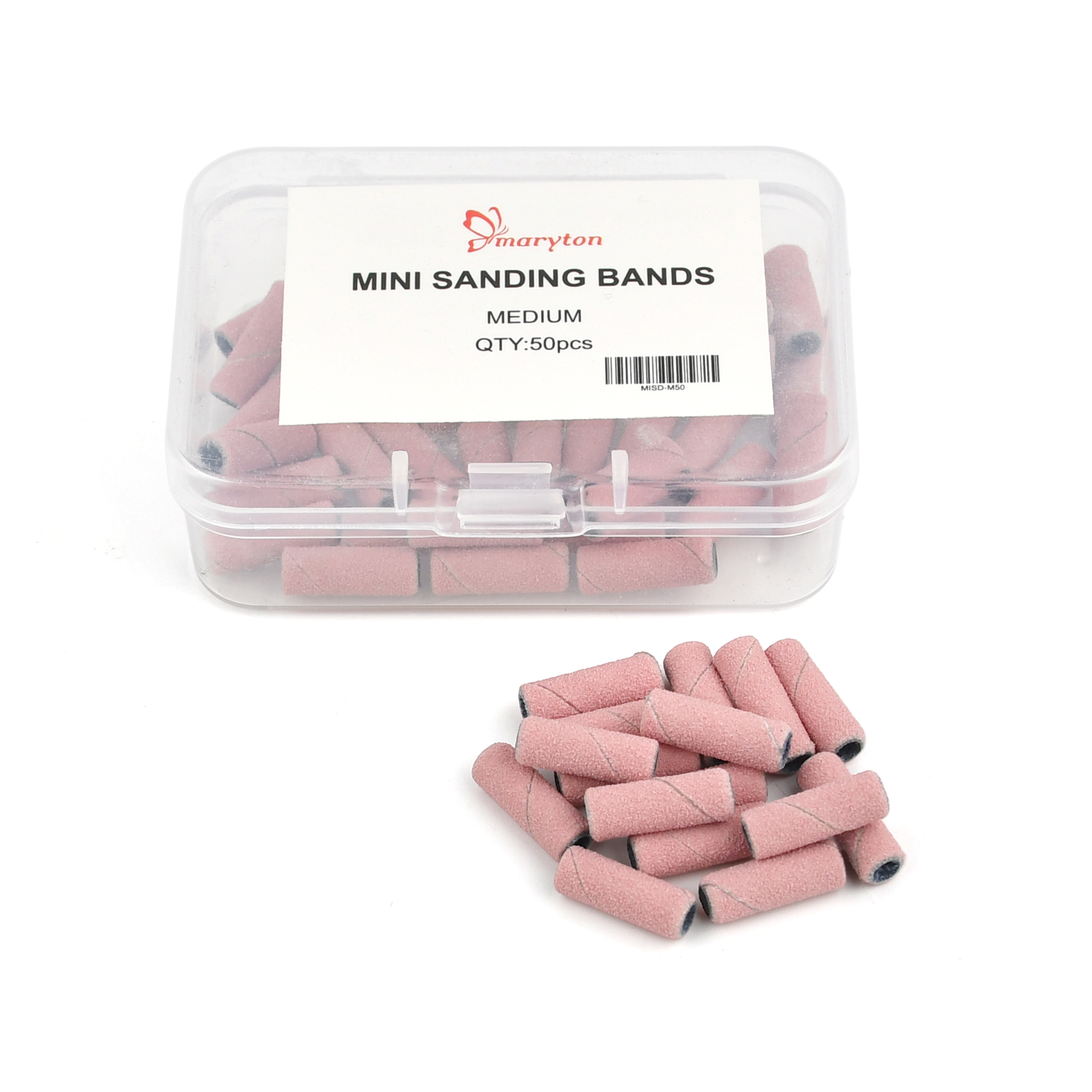
To achieve an excellent reconstruction, the edge of the natural nail is properly trimmed to create a professionally shaped extension for a natural-looking nail. When performing a reconstruction, choosing the right shape is one of the first things you’ll need to consider. The most popular and requested by nail technicians are: oval, square, almond, and the boldest stiletto shape, perfect for gel nail reconstruction.
Always make sure to remove any remaining dust with a degreaser and use a soft brush to remove dust from your nails. After mattifying the surfaces, degreasing them, and removing excess dust, it’s time to apply liquid primers.
Positioning the nail form is the heart of the entire process. This is where your manual skills will come into play. Don’t worry, you’ll have time to get better and better. Once the nail form is correctly positioned on the free edge of the nails and a thin layer of base gel is applied for adhesion, you can proceed with creating the extension, the C-curve, and the arch to give structure and the desired shape to your nails. Cure thoroughly in the lamp in the various steps, remove the papers, and redefine with a file or milling machine for a perfect nail result!
It is very important to degrease and level as best as possible. Once you have achieved the desired shape and degreased again and removed any residue, it’s time to proceed with the color and/or nail art of your choice and seal at the end with a quality gel finish to protect your reconstruction and ensure a long-lasting finish.
In addition to the manual skills you’ll gradually develop, we guarantee that the results of a successful gel nail reconstruction are also linked to the choice of the right products and their quality.
Read also: Professional tips for a successful French manicure at home
