Few nail styles whisper “polished elegance” quite like the French manicure. With its clean, natural pink base and crisp white tips, it’s a look that has transcended decades of fleeting trends. Loved for its versatility and timeless appeal, mastering the French manicure – whether at the salon or at home – is a beauty essential. Let’s break down where it shines, how to achieve it, and how to keep it looking flawless.
Where Does the French Manicure Shine? (The Perfect Occasions)
The true magic of the French manicure lies in its chameleon-like adaptability. It effortlessly complements a vast array of settings:
1. The Everyday Essential: Its “my nails but better” aesthetic makes it perfect for the office, running errands, or simply looking put-together daily. It’s professional, clean, and never distracting.
2. Bridal Bliss: A quintessential choice for weddings (brides, bridesmaids, mothers-of-the-bride!), symbolizing purity, simplicity, and timeless beauty that photographs stunningly.
3. Formal Affairs: Black-tie events, galas, or important dinners demand sophistication. A French manicure provides understated luxury that pairs perfectly with any gown or jewelry.
4. Job Interviews & Professional Settings: It projects neatness, attention to detail, and a polished demeanor without being flashy or unprofessional.
5. Vacation Vibes: Looks equally chic poolside, on a beach, or exploring a new city. It’s fresh, clean, and goes with every outfit in your suitcase.
6. Minimalist Magic: For those who prefer a subtle, clean beauty look, it’s the ultimate minimalist statement.

Achieving the Perfect French Tip: Techniques & Tips
Whether you’re a DIY enthusiast or a salon regular, nailing the French look requires some know-how:
1. Prep is Paramount:
- Shape & Buff: Start with clean, dry nails. Then use an electric nail file to shape them uniformly (oval, square, or squoval work best). Gently buff the nail surface for smooth polish adhesion.
- Cuticle Care: Push back cuticles gently. Never cut them roughly, as this can lead to infection. A hydrated cuticle area looks neater.
- Cleanse: Wipe nails with alcohol or nail polish remover to remove any oils or residue. This prevents chipping.
2. Building the Base:
- Apply a thin, even layer of base coat. This protects your natural nail and helps the polish last longer.
- Apply two thin coats of your chosen sheer pink or nude polish. Thin coats dry faster and prevent streaks or bubbles. Let each coat dry completely before moving on.
3. Mastering the White Tip (The Star of the Show):
- The Salon Method (Guides): The most common professional technique uses U-shaped guides placed just below the free edge (the white part of your nail). Paint the exposed tip with bright white polish. Tip: Ensure guides are firmly stuck down to prevent bleeding. Remove guides before the white polish dries completely.
- The DIY Freehand Method: This takes practice! Use a thin, angled nail art brush dipped in white polish. Steady your hand (rest your painting hand on a table) and gently sweep the brush along the very tip of your nail, following its natural curve. Start with thin lines; you can build thickness if needed.
- The Reverse French Hack: Place guides or tape on the pink part, leaving only the very tip exposed, then paint the tip white. This can sometimes be easier for controlling the line.
- Key Tip: Less is more with the white! A thin, crisp line looks far more elegant and modern than a thick, opaque block of white. Aim for the white to cover just the natural free edge, not creeping onto the pink nail bed.
4. The Finishing Touches:
- Apply a high-quality top coat. This seals the design, adds incredible shine, and significantly extends the wear time by protecting the delicate white tips from chipping and yellowing. Wrap the tip of your nail with the top coat for extra durability.
- Hydrate: Massage cuticle oil around the nail beds daily to keep everything looking healthy and nourished.
Keeping it Chic: French Manicure Maintenance
A French manicure can last beautifully with a little care:
1. Top Coat is Your Best Friend: Reapply a fresh layer of top coat every 2-3 days. This continuously seals the edges, refreshes the shine, and combats tip wear.
2. Glove Up: Wear gloves for washing dishes, cleaning, or gardening. Harsh chemicals and prolonged water exposure are the biggest enemies, causing lifting, yellowing (especially of the white), and breakage.
3. Mind Your Nails: Be conscious of using your nails as tools (opening cans, scraping stickers). This is a surefire way to chip that pristine white tip.
4. Address Chips Quickly: If you get a small chip on the white tip, you can sometimes carefully touch it up with a tiny brush and white polish, followed immediately by top coat. For larger chips or grown-out nails, it’s often best to remove and redo.
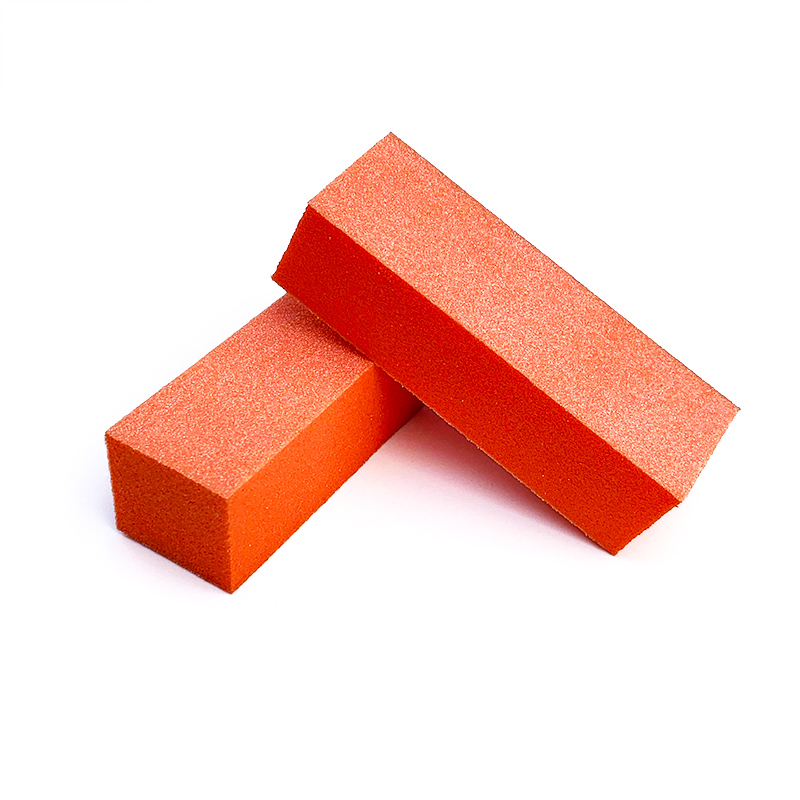
5. Fight Yellowing: Store your white polish out of direct sunlight. If the white tips start to yellow slightly (can happen from dark polishes, smoking, or certain foods), a gentle buff with a buffing block can help minimally, but prevention (top coat, gloves) is key. Avoid soaking nails excessively.
6. The Grow-Out Grace Period: One advantage of the French? It grows out more gracefully than a bold, opaque color. The nude base blends with your natural nail, making the regrowth line less obvious for longer. A quick buff and fresh top coat can extend its life.
In Conclusion:
The French manicure remains a beauty icon for a reason. Its clean lines, natural elegance, and incredible versatility make it suitable for almost any occasion in life. By understanding the simple techniques – focusing on meticulous prep, mastering the crisp tip, and committing to regular top coats and protection – you can achieve and maintain this classic look. It’s more than just polish; it’s a timeless statement of effortless sophistication that always feels perfectly appropriate. Embrace the French – it’s a chic choice that never goes out of style.
Read also: Green Nails: Understanding and Treating This Condition
