Green nails can be a real nightmare for manicure enthusiasts. Often linked to bacterial or fungal infections, they require special attention and proper care. In this article, we’ll demystify this phenomenon, explaining its causes and treatments, and offering some tips to avoid it.
What is green nail syndrome?
Green nail syndrome, also known as chloronychia, is an infection caused by a bacterium called Pseudomonas aeruginosa. This bacterium thrives in warm, moist places, particularly under artificial nails or poorly applied nail polish. Affected nails then take on a green tint that can range from light to dark green.
The infection is usually not painful at first, but it can become so if not treated promptly. It can affect both fingernails and toenails, and it’s essential to take action at the first sign.
Main Causes
Several factors can contribute to the development of this infection. Here are some of the most common:
- Poor hygiene: Not properly cleaning your nails or manicure tools can promote the growth of bacteria.
- Prolonged use of artificial nails: Acrylic or gel nails can trap moisture and create a fertile environment for bacteria.
- Excessive use of nail polish: Continually wearing nail polish, especially without allowing nails to breathe between applications, increases the risk of infection.
- Natural presence of the bacteria: Pseudomonas aeruginosa is ubiquitous in our environment, whether in water or soil. A simple contact can be enough to contaminate a weakened nail.
Precautions to take
To reduce the risk of contracting green nail syndrome, here are some simple precautions to follow:
- Wash your hands and feet regularly, paying particular attention to under the nails.
- Make sure to dry your nails completely after washing or bathing.
- Let your nails breathe between applying artificial nails or after wearing green nail polish for several days.
- Sterilize your manicure equipment frequently to avoid contamination.
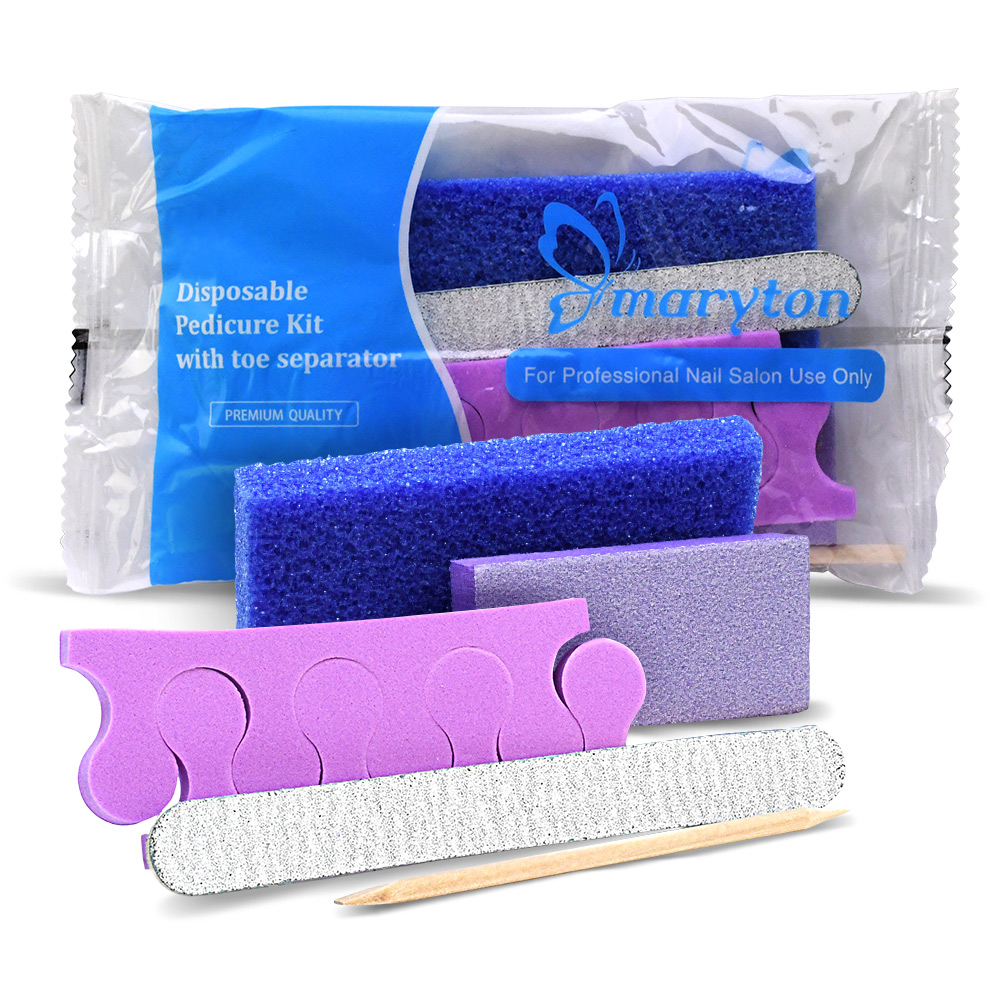
- Use disposable manicure and pedicure sets whenever possible to reduce the risk of spreading germs.
How to Treat Green Nails
If your nails have already turned green, don’t panic! There are several methods to effectively treat this condition. However, the first step is always to consult a healthcare professional for an accurate diagnosis.
Home Treatments
There are some home remedies that can help fight the infection, especially if caught at an early stage:
- White vinegar: Dilute it with water and soak your nails for about fifteen minutes every day.
- Hydrogen peroxide: Apply a hydrogen peroxide solution to the affected nails twice a day.
- Garlic: Rub a clove of garlic directly onto the affected nail, then let it sit for 10 to 15 minutes before rinsing.
Medical Consultation
In some cases, the infection may require more specialized medical treatment. Your doctor may prescribe:
- Topical or oral antibiotics to eliminate the bacteria.
- Antifungals if mold is also present.
- Professional nail cleaning to remove any accumulated debris.
Naturally Maintain Your Nails
Adopt daily steps to maintain good nail health:
- Regularly moisturize your nails and cuticles with a nourishing cuticle oil.
- Limit the use of nail polish remover, especially those containing acetone, to avoid weakening your nails.
- Wear gloves when doing household chores to protect your nails from harsh chemicals.
- Use a professional nail drill to trim your nails to prevent them from breaking or splitting.
Caring for Artificial Nails and Nail Polish
If you’re a fan of sophisticated nail designs or fake nails, here are some recommendations to continue enjoying your passion without risking reinfection:
- Take regular breaks between false nail applications to let your nail plate breathe.
- Use protective base coats before applying colored nail polish.
- Avoid excessive use of your nails (opening cans, scratching) while wearing false nails.
Discovering that you have green nail syndrome can be worrying, but with good hygiene, proper care practices, and medical consultation when needed, this condition is very treatable. Keep these tips in mind to protect your precious nails and continue to enjoy your manicure creations worry-free!
Read also: The Versatile Role of Nail Buffer Blocks in Salon and Home Manicures
